Switzerland

A fear of mountain trails - a healthy concern

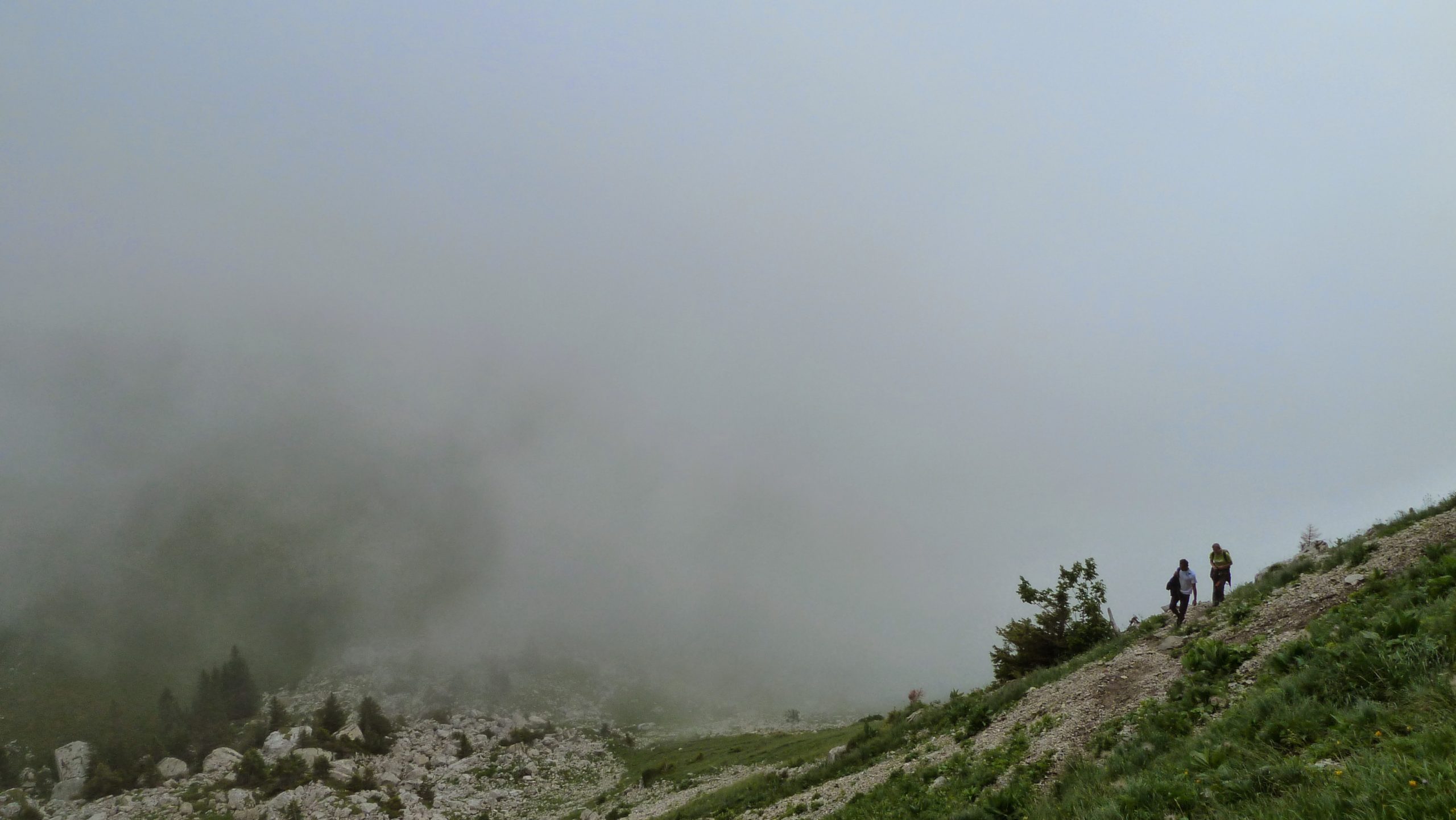
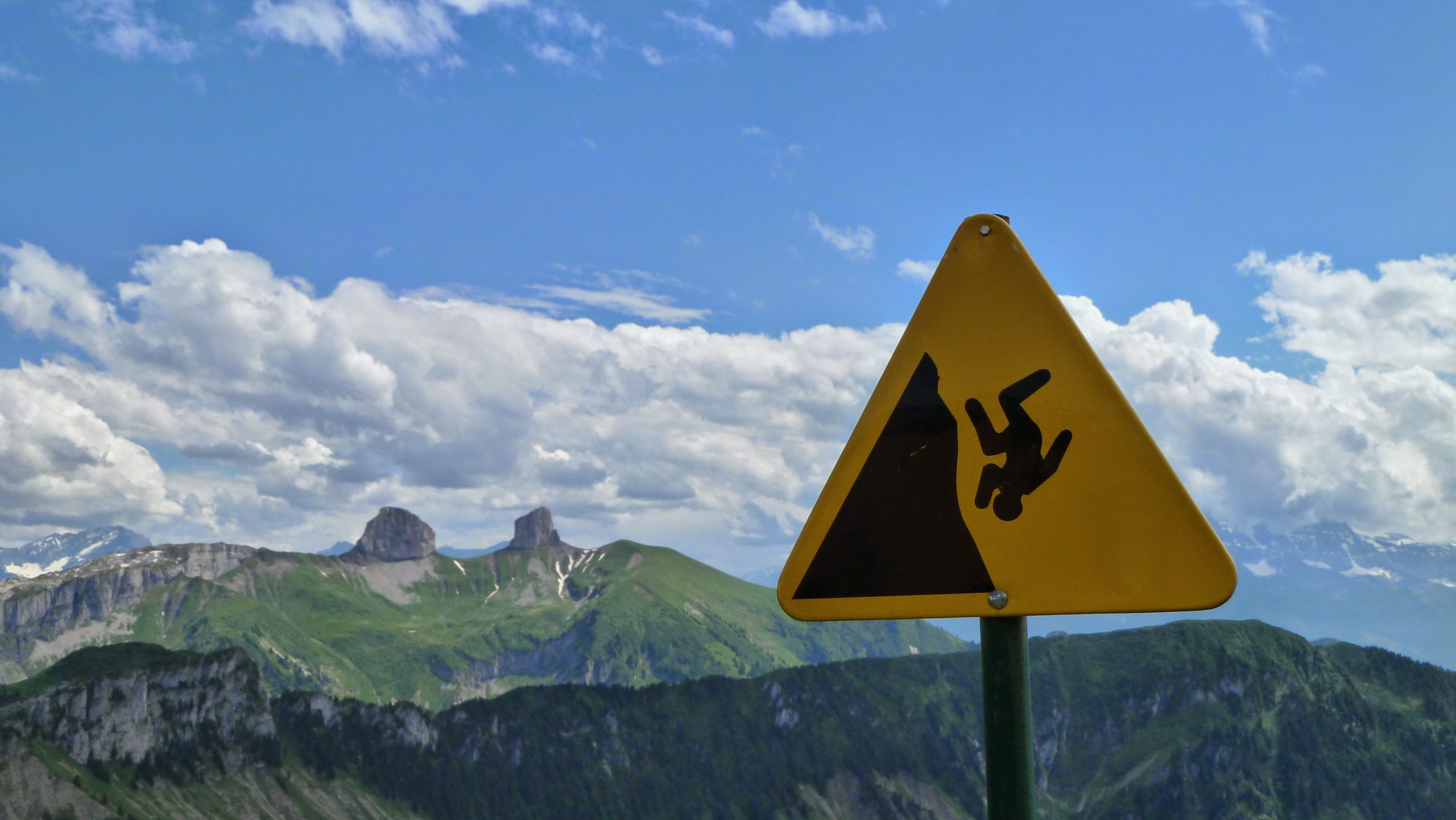
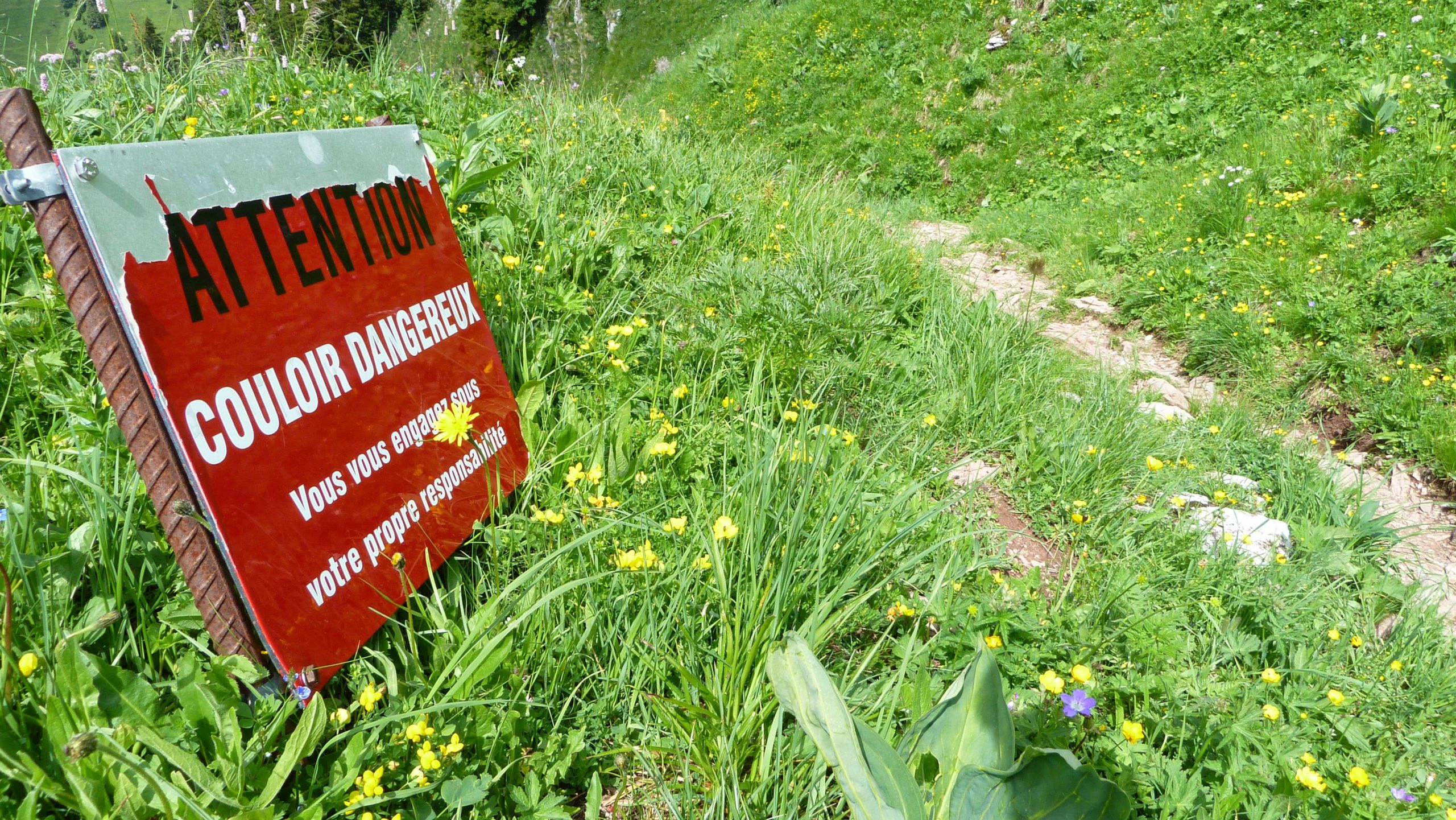
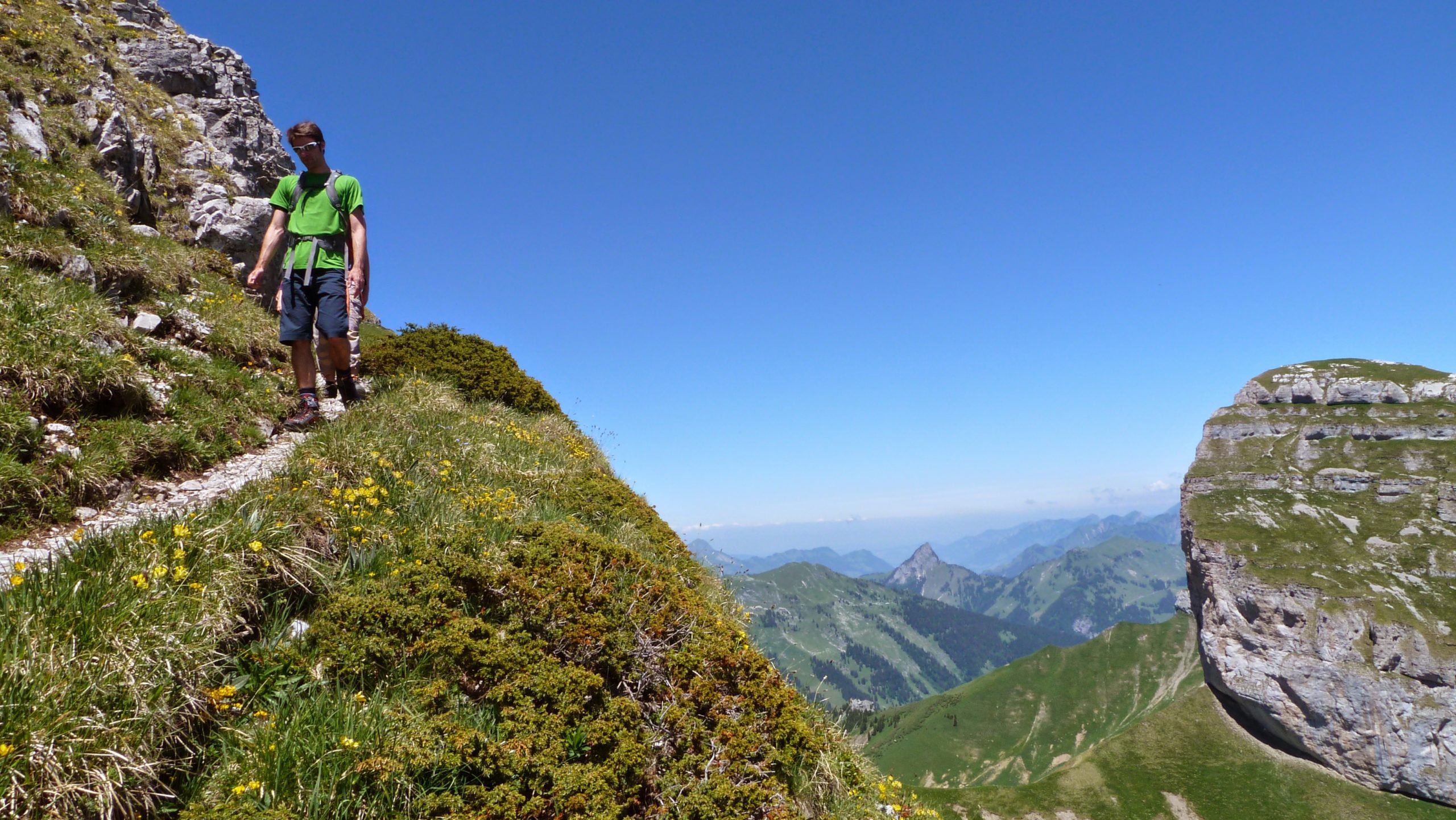
In Switzerland you grow up walking on mountain paths that are narrow and steep. One one side you have the mountain and on the other you have a steep slope. I remember having a fear of mountain trails once or twice in the German part of Switzerland. I think it was in Kandersteg. You walk along a path high above a lake. If you fall and slip in the grass then you may be unable to stop. You could fall off the cliff. Fear or concern are normal in such circumstances. A week ago we went climbing as a group of friends in the Jura near Vallorbe. One person was scared. I was not there to witness this person’s fear but a year ago I did accompany someone who was afraid. I slowed down to that person’s speed and provided a hand when needed. I also provided moral support. These trails are an integral part of Via Ferrata. When I was still a child I did slide on the way up to La Dole but stopped within metres of where I fell. I climbed back up with no problem. Ironically last week someone did slip when we were walking back at night. He did not slide far. Luckily the person who was afraid missed this incident. [caption id=“attachment_3200” align=“aligncenter” width=“660”]Walking up to a via ferrata Walking up to a via ferrata[/caption] If you want to do the Via Ferrata du Rocher de Naye you walk on narrow trails with a steep drop on one side. Experience keeps us sure-footed. Experience tells us that if we do slip or fall we can recover. We know how to avoid slipping and falling in the first place. [caption id=“attachment_3201” align=“aligncenter” width=“660”]Danger of falling Danger of falling[/caption] The reality of the mountains is that we do hear of people slipping and sliding to their deaths when hiking in the mountains. In summer the stories of people killed by avalanches are replaced by the stories of older hikers sliding to their deaths. The dangers and threat are real and it is for this reason that experienced hikers need to help less experienced hikers. We need to keep those we are with both safe and comfortable. If they are uncomfortable we must turn around and find a more appropriate route. [caption id=“attachment_3202” align=“aligncenter” width=“660”]Dangerous scree path “Beware, dangerous corridor, you are committing yourself under your own responsibility.[/caption] When you complete the Rocher de Naye Via Ferrata you can either go down with the train or you can hike down via this route. This route takes you via a scree field where rocks are loose. You could slip and slide or you could loosen rocks that hit people below you. [caption id=“attachment_3203” align=“aligncenter” width=“660”]Walking down from the Tour D’aï Walking down from the Tour D’aï[/caption] Either you can walk up to the Tour D’aï or you can enjoy the Via Ferrata. If you enjoy the via ferrata you must keep in mind that you are walking down an alpine trail to get back. These are marked by the blue and white trail markers. There is a sheer drop to the side of this trail. Wearing the right shoes and being sure-footed is key. The landscape is beautiful from this vantage point but experience is key to staying safe.
A satirical look at music festivals as a form of psychological torture

When we’re 14-28 years old the idea of going to a music festival to see the artists we spend our free time listening to is fantastic. Imagine all that drinking, that mud, that food, those opportunities to seduce and best of all that ambiance. The prospect of going to a music festival is so appealing that we fantacize about going to work as bénévole to have the full experience. I have been through that experience several times as a result of which I chose to have a week off from socialising to recover. Now that I have provided you with context I want to take a satirical look at music festivals as a form of psychological torture for those of us who have grown too “old” to know which artists are playing.

Climbing Photography - for when other routes are too wet.

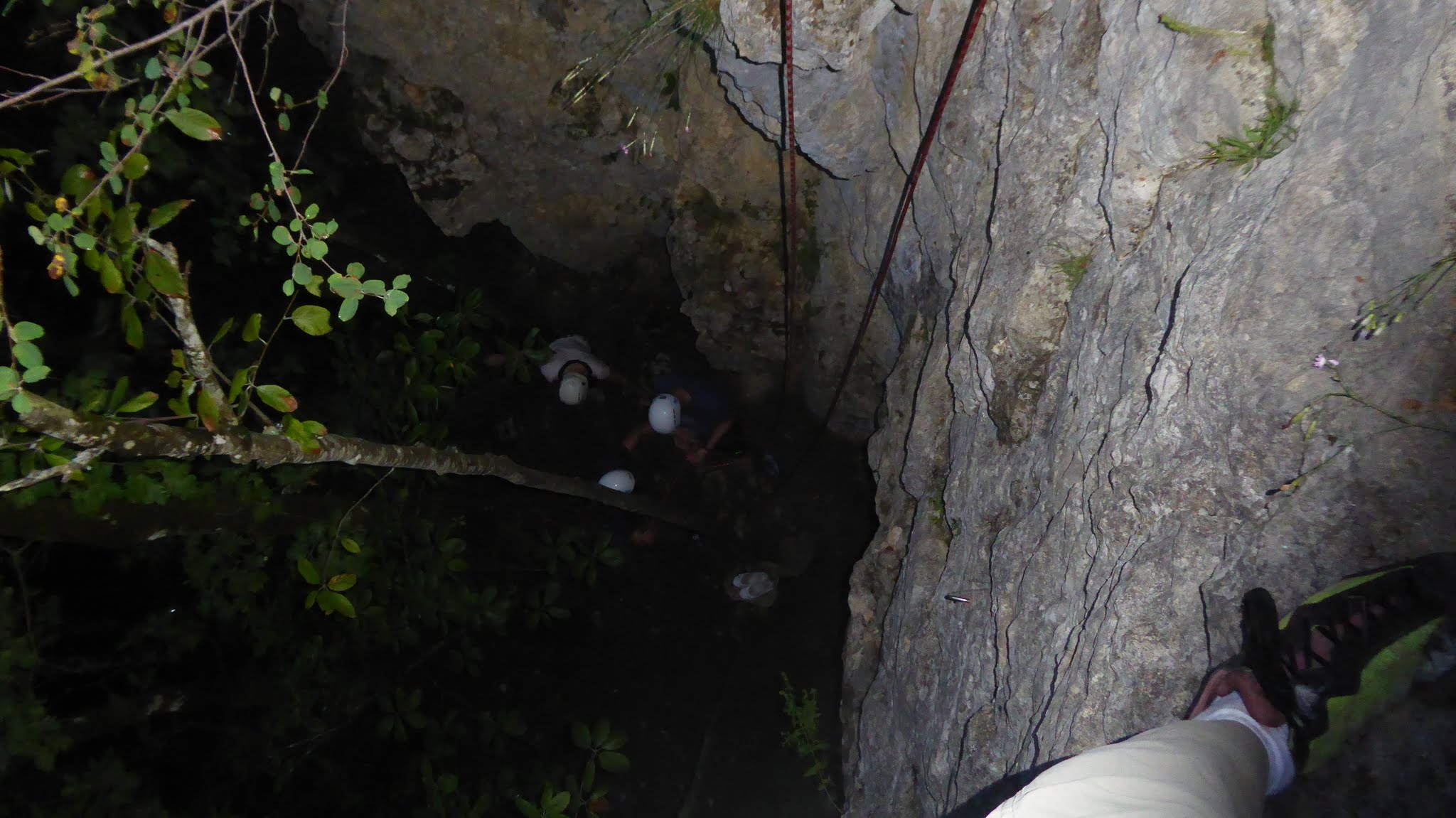
I have been climbing outdoors for five to six years and during this time I have enjoyed both climbing photography and taking video. The two biggest challenges I face are how to keep myself in place and how to be confident that I will stay where I am. This requires trusting the climbing harness, the little cow (petite vache) and other safety equipment. [caption id=“attachment_3177” align=“aligncenter” width=“660”]Climbing Photography Climbing Photography[/caption] Yesterday with the group I climb with every thursday we went outside towards the St Loup climbing route. As it had rained recently many of the climbing routes were wet and slippery. When I put my foot down I felt that it was not going to hold if I continued to climb and so I said to a fellow climber whom I know from my diving days that if this was a dive I would call it. I would abort it. I took advantage of this situation to climb where a top rope had been placed and then secured myself about three quarters of the way up the route on a ledge. From this vantage point both my hands were free so if I had taken my main video camera or DSLR photo camera I could have had some nice footage of group members climbing up this route. As the sun was setting the shutter speed was slow. I did manage to get a few good images nonetheless. With the flash the images look as if they’re from a caving trip rather than climbing. If the weather is good on Sunday I should be able to practice more of these skills in an old quarry where climbing routes are set up. It’s easy to get images from the ground but to get images from the climber’s eye level or above is more of a challenge. I will have fun practicing this skill.

Moléson Via Ferrata by night

The Moléson Via Ferrata by night event is organised for the 13th of August 2016. This is an event that I have been tempted to do for several years. The principal is simple. You wear the usual via ferrata equipment with the exception of a torch. You have to contact the Moléson tourism board either by phone or e-mail and provide them with your information. You will then get a free ride to the start of the via ferrata. They insist on experienced climbers so I assume that they climb the red via ferrata. The event is not only entertaining for those who are climbing. It should be entertaining for those who watch from the ground. Usually when you watch people climb a route you need to look carefully to differentiate them from the surrounding rock. At this event climbers will be lit up, against a dark mountain so the route will be clearly visible. It will highlight the main route as well as the segment or two that are a little more challenging. If I was to be free to do this via ferrata by night I would expect the experience to be similar to scuba diving in the lake and caving. I would expect that when I look out at the landscape I would see the cities and towns from the region. Remember that the Moléson slogan is currently “On y voit ma maison”. “We can see my house”. One of the great advantages of trying a via ferrata by night is that you have no notion of how high up you are. You could as easily be 1km up as twenty metres off the ground. There are three reasons for which I have been unable to do it so far. The first time I couldn’t participate in this event is that I was working on that day and it would involve four hours of driving. The second time I signed up but the event was cancelled due to the weather being unkind. The third time I could not do this VF was due to Leukerbad. I had already committed to the climb and booked a hotel. In theory this year I am free to climb. If you are thinking of trying it leave a comment.

Appreciating the IFSC Climbing World Cup in Villars

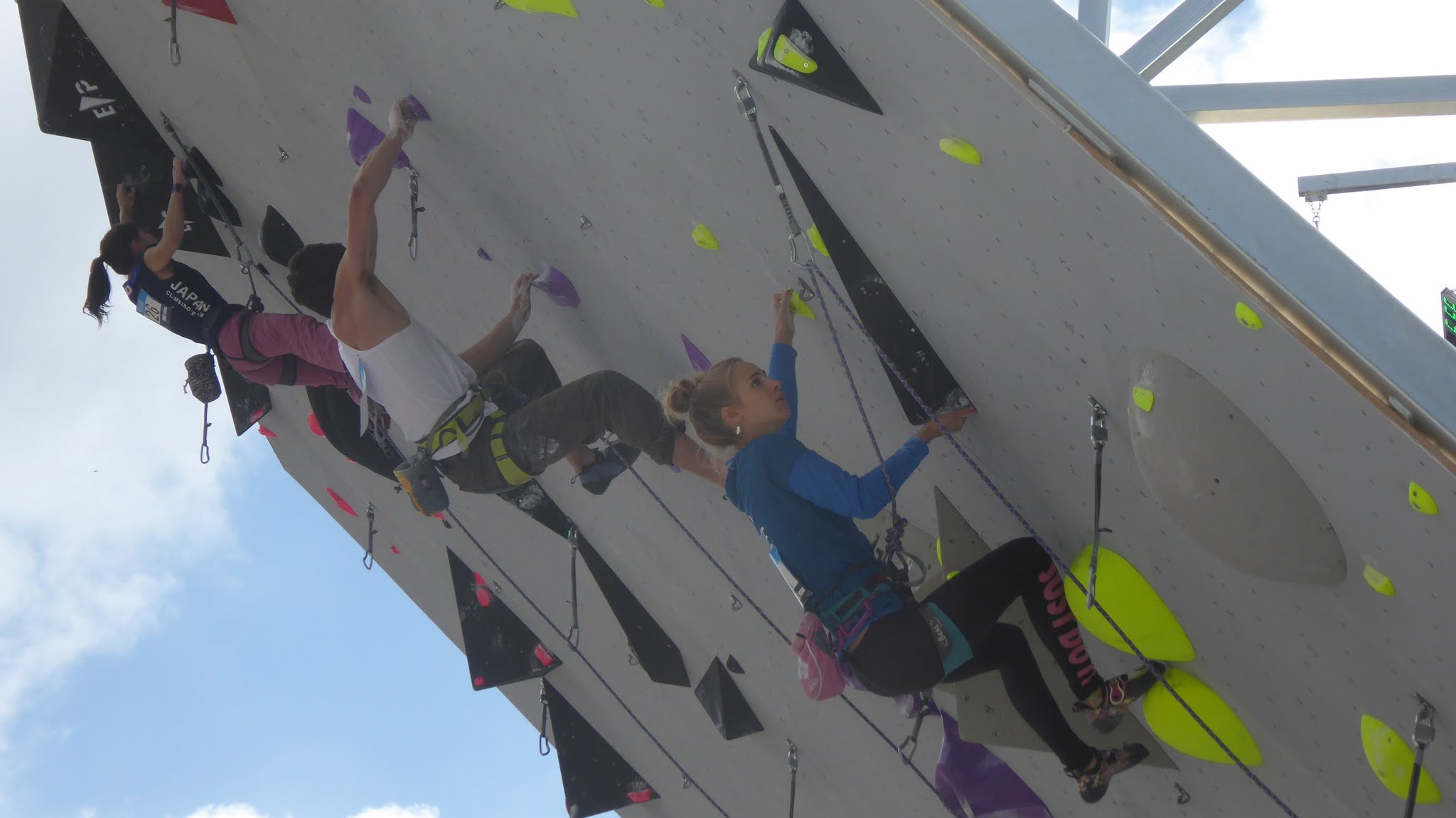
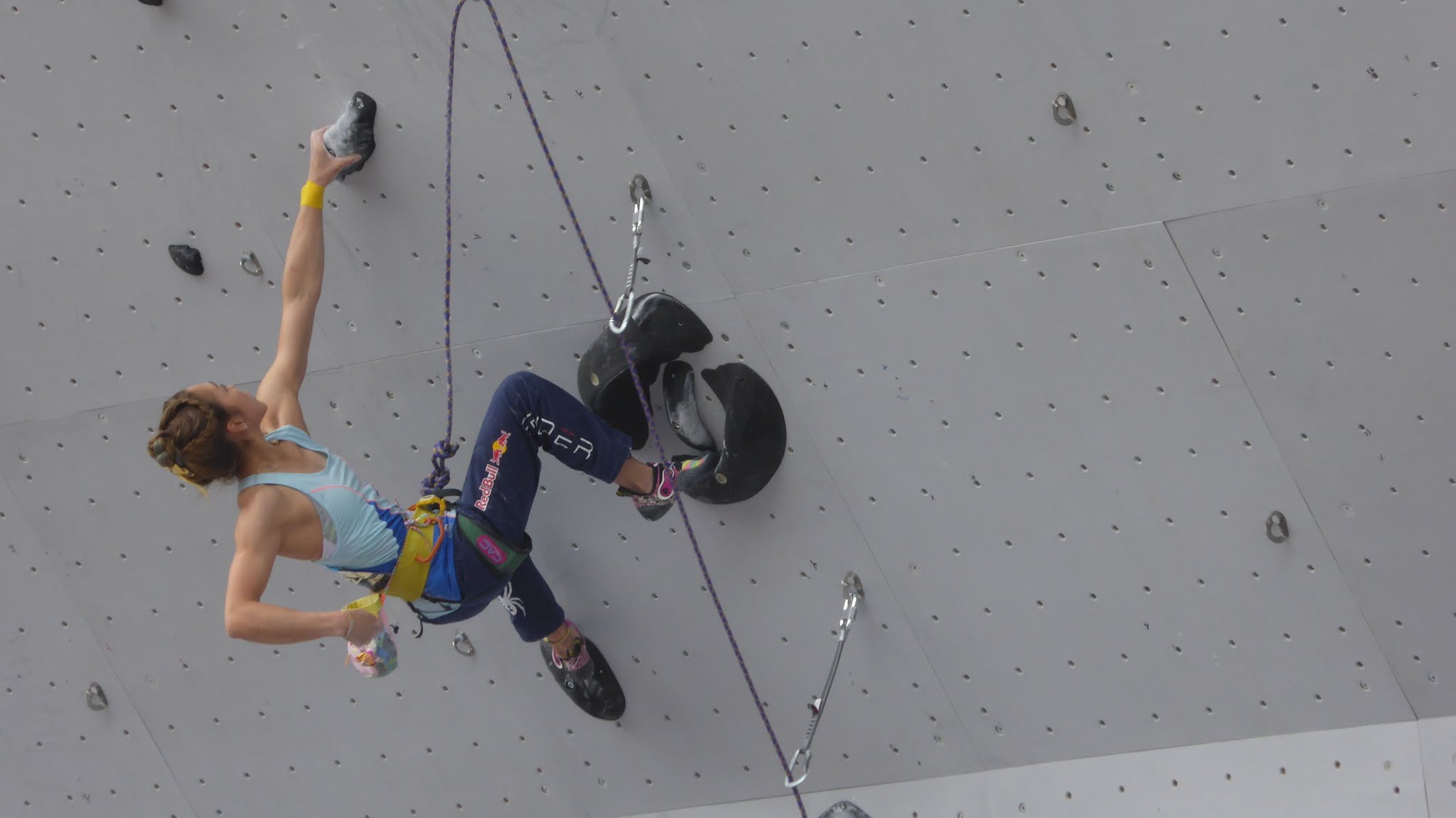
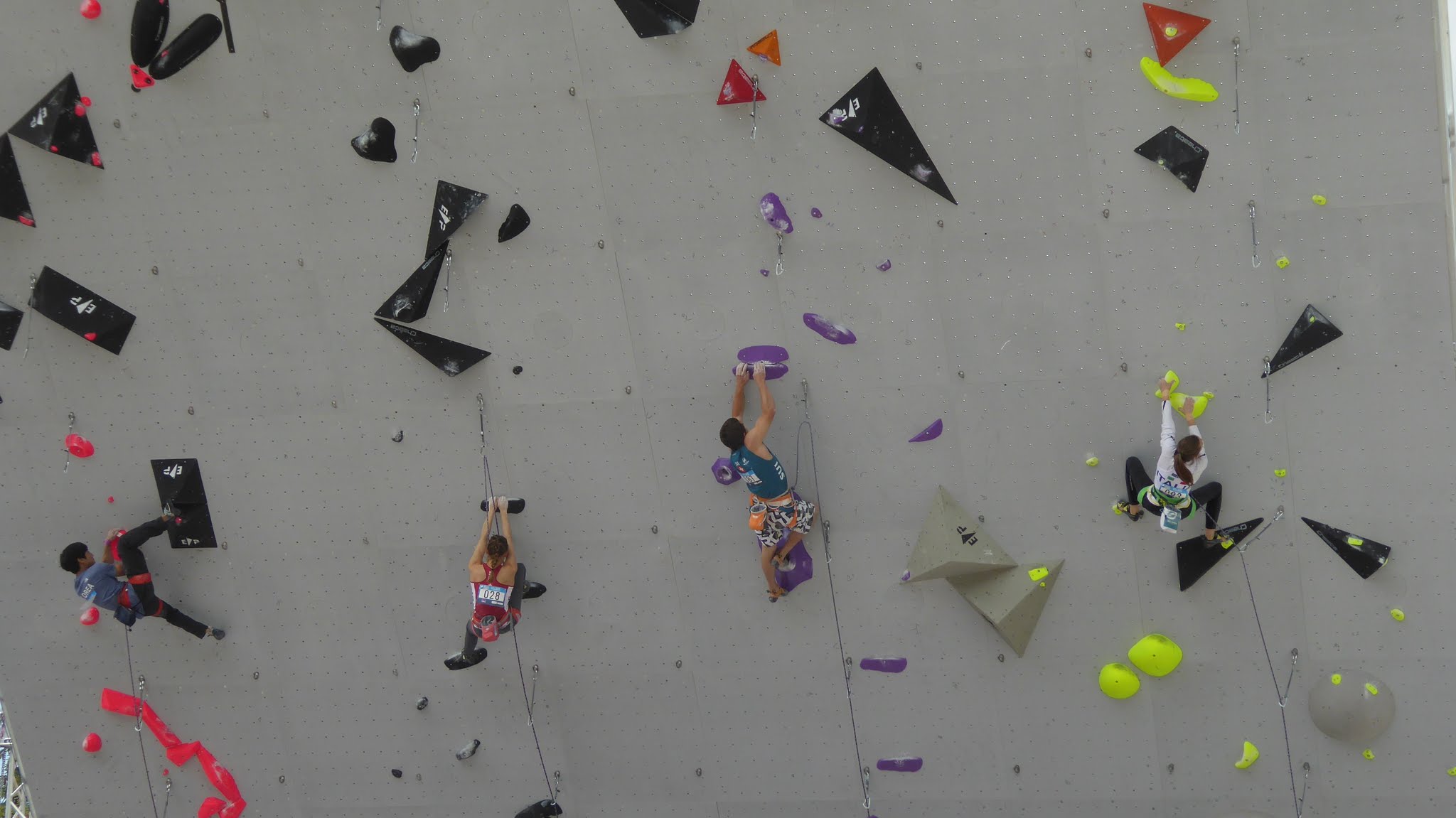
Climbing is a sport that I have enjoyed for most of my life. As a child I would climb on to roofs, on climbing frames and up trees. Occasionally I would climb on rocks but as I had no safety equipment I was limited. Five or six years ago I went climbing with some people via Glocals in Italy and we climbed 5a routes. I enjoyed the sport but I found that there was a lot of waiting. It is for this reason that I spent five years doing via ferrata. [caption id=“attachment_3142” align=“aligncenter” width=“660”]Climbers at the ISFC Climbing World Cup in Villars Climbers at the ISFC Climbing World Cup in Villars[/caption] Recently I have found a group of people with whom I can go climbing every week. As a result of this I have learned to lead climb. Lead climbing is different from top rope climbing because if you fall you fall. When you are top roped you will fall a few centimetres. I went up to Villars on Friday and I really enjoyed the [IFSC Climbing World Cup](http://Climbers at the ISFC Climbing World Cup in Villars). I enjoyed watching high level climbers compete to be qualified for stage after stage of the event. It was an opportunity to capture moments such as the one above. Four people climbing up the same wall in an attempt to qualify. The routes were apparently 8a-8b so two grades higher than I can climb. I still don’t have the finger strength. With training that may eventually come. [caption id=“attachment_3141” align=“aligncenter” width=“660”]A group of climbers climbing A group of climbers climbing[/caption] What makes watching high level climbers so much fun is that they are methodical. They work efficiently from one hold to the next. They clip when they feel comfortable to clip and then they move onwards. It is as fun to watch the belayers as the climbers. That can be shown in another post. Look at the finger holds. The more you climb the stronger your fingers become and the more freedom you eventually get. By freedom I mean that you have more routes that you can enjoy. I want to have more strength to enjoy more overhanging routes. [caption id=“attachment_3140” align=“aligncenter” width=“660”]Straight arms Straight arms[/caption] When watching these climbers you notice that the arms are almost always straight to avoid wasting energy. Hanging from an arm is easier than keeping it bent. Look at how the hand needs to grab the hand hold rather than just hang from it. It is a shame that we are not allowed to share video of these climbers. It would have been interesting to study their technique.

Cycling Trip to Lausanne and Back

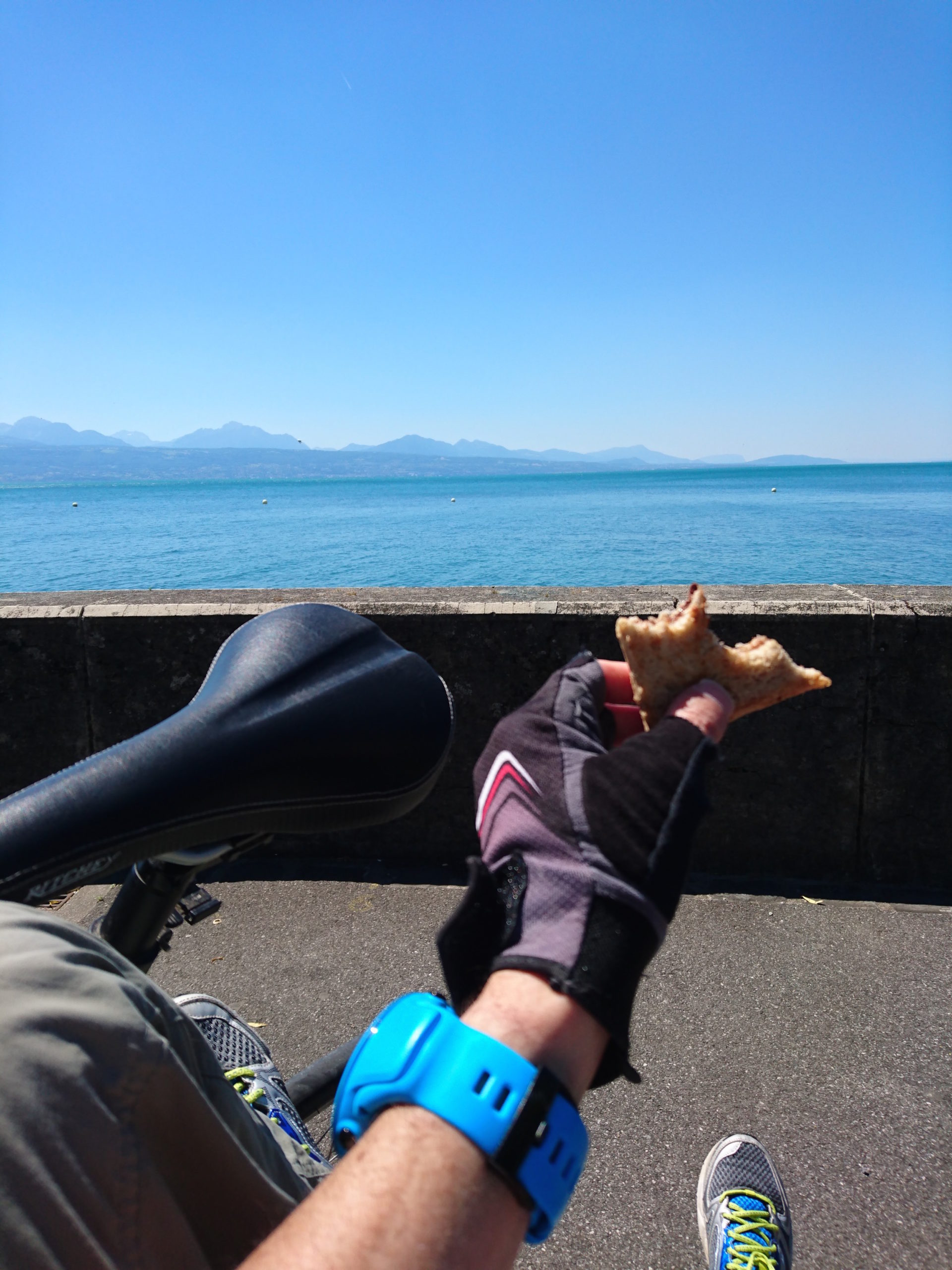
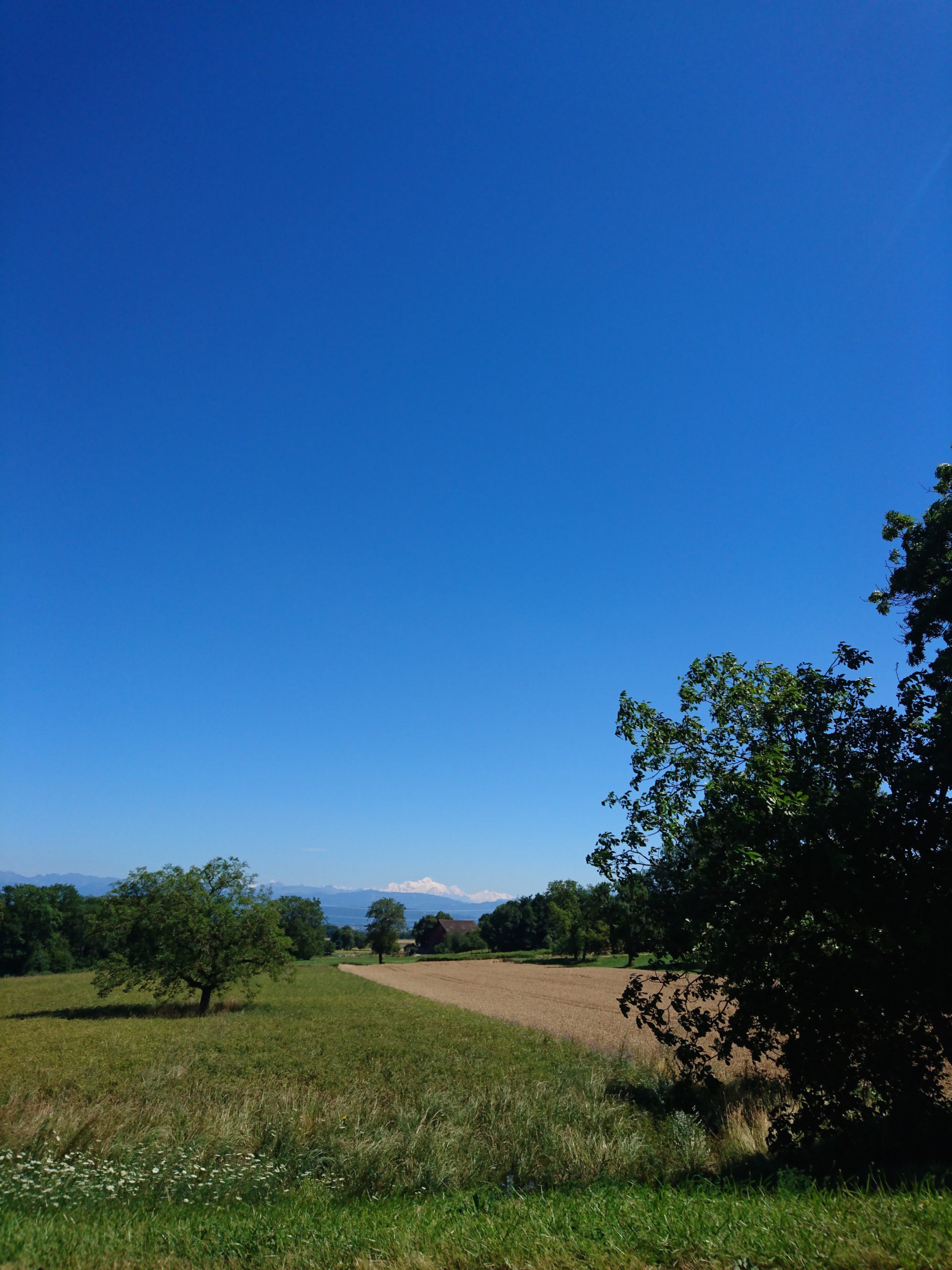
When I set off on my cycling trip to Lausanne and back I thought that the strong wind would force me to turn around and that I would abort the attempt by the time I got to Rolle or Morges. As I continued cycling I fought the wind and I made slow progress. When I was in the dips or along certain walls I had a break from the wind. I continued on with the effort. A nice portion of this route is on cycle paths so you are protected from traffic. Sometimes the cycle path is on the side of the road and at other points it is on a pavement at the side of the road. Near St Prex the route bifurcates from the road and goes through a 30km zone. You rejoin the road a few minutes later. Around Ouchy the roads were relatively quiet. [caption id=“attachment_3136” align=“aligncenter” width=“660”]I stopped in Ouchy to recover I stopped in Ouchy to recover before cycling back.[/caption] The air temperature when I set off was about 20°c with wind. As I cycled I never felt too warm. It was a great temperature in which to cycle over a long distance. For the first hour I was drinking Jura water before switching to electrolytes for the route back. I usually carry enough water or snacks for part of the journey and when I feel the need for a rest I stop and pick up more supplies. It keeps the weight down. I was lucky when I cycled back towards Gland because the wind continued blowing in the same direction. The wind that I had spent the outward journey fighting was now in my back. As a result despite muscle fatigue the cycle back was comfortable enough and I still managed to get a good time. The challenge when cycling from the foot of the Jura is that you eventually need to spend energy to get from the lake uphill. It might be psychological but the place from which I like to climb from the lakeside is through Gland. There are a number of routes with reduced traffic or you can take the main road. In this case I took the main road and when I was passing the train station I felt the rear wheel wobble so I stopped to check the wheel but it seemed fine. I then cycled a little further and then heard the rear tire flopping. A thorn had made its way in to the tire and punctured it. I had noticed that there was a cycle shop on the lake road so instead of going to the two sports shop near the bouldering gym I went to this one. The owner was just about to leave when he saw me pushing my bike. He was very helpful. He helped me replace the tire and pump it up again so that I could continue my journey. I had always worried about getting a puncture and I was lucky that it happened in such a convenient place. I had to walk back about two kilometres but in the end the inconvenience of the puncture was quickly resolved and I could head home. It provided me with time to recover before heading up the hill once again. I am amused that it was a thorn. I cycle around rocks, glass and other hazards on the road and nature got me with a simple thorn. To be fair I had cycled about nine hundred kilometres before getting a puncture. [caption id=“attachment_3137” align=“aligncenter” width=“225”]Some of the landscape you see Some of the landscape you see[/caption]   In the back of my mind I was always ready to cycle to Lausanne and then catch the train back but my endurance lasted both ways so I skipped the train. My next challenge will be to cycle around the Lac de Neuchâtel which is meant to be about 96 kilometres depending on the route you choose.

IFSC Climbing World Cup Villars 2016

I will be present at the IFSC Climbing World Cup Villars tomorrow. For me climbing has always been an active rather than a passive sport. It has been a sport where the landscape is nice and the crowds are small. Tomorrow will be the first time that I go and watch as other people climb. It’s not that I don’t watch people climb. Between climbing gyms, bouldering gyms, via ferrata and Rock climbing it is a sport that I have explored in depth. What I haven’t explored in depth is climbing with an audience, climbing as an event, climbing as a competition.

In August I will be at FIFAD

In August of this year I will be at FIFAD as a volontaire. FIFAD stands for Festival International du Film Alpin Des Diablerets. It’s the international Alpine Film Festival of the Diablerets. I want to participate at this event for three main reasons. The first of these is that I have a passion for the documentary film genre and adventure films. I really enjoyed going to Montagne en Scène a few weeks ago and I expect to enjoy having the freedom to watch certain of the films at this event. The second reason I want to go as a helper is that every time I have applied to help at an event I have got something out of it. I have built my confidence. I have met interesting people and I have found new and interesting ideas. In this case I hope to view a number of the films. The third reason is that I will have an opportunity to spend a week in the mountains once again. I have frequently been to Diablerets for hikes and just once to enjoy a via ferrata. This time I will get to stay for a few extra days and learn to appreciate the town differently. I will have my 360 camera and via ferrata gear with me. Time to ride a tyrolean in 360 right? I hope it won’t rain too heavily. People told me they got wet last time they went under the waterfall. When I watch an interesting film or hear someone talk about an interesting topic I will try to take notes and write related blog posts. It’s good to share the knowledge and passion with you.

Summer Nyon

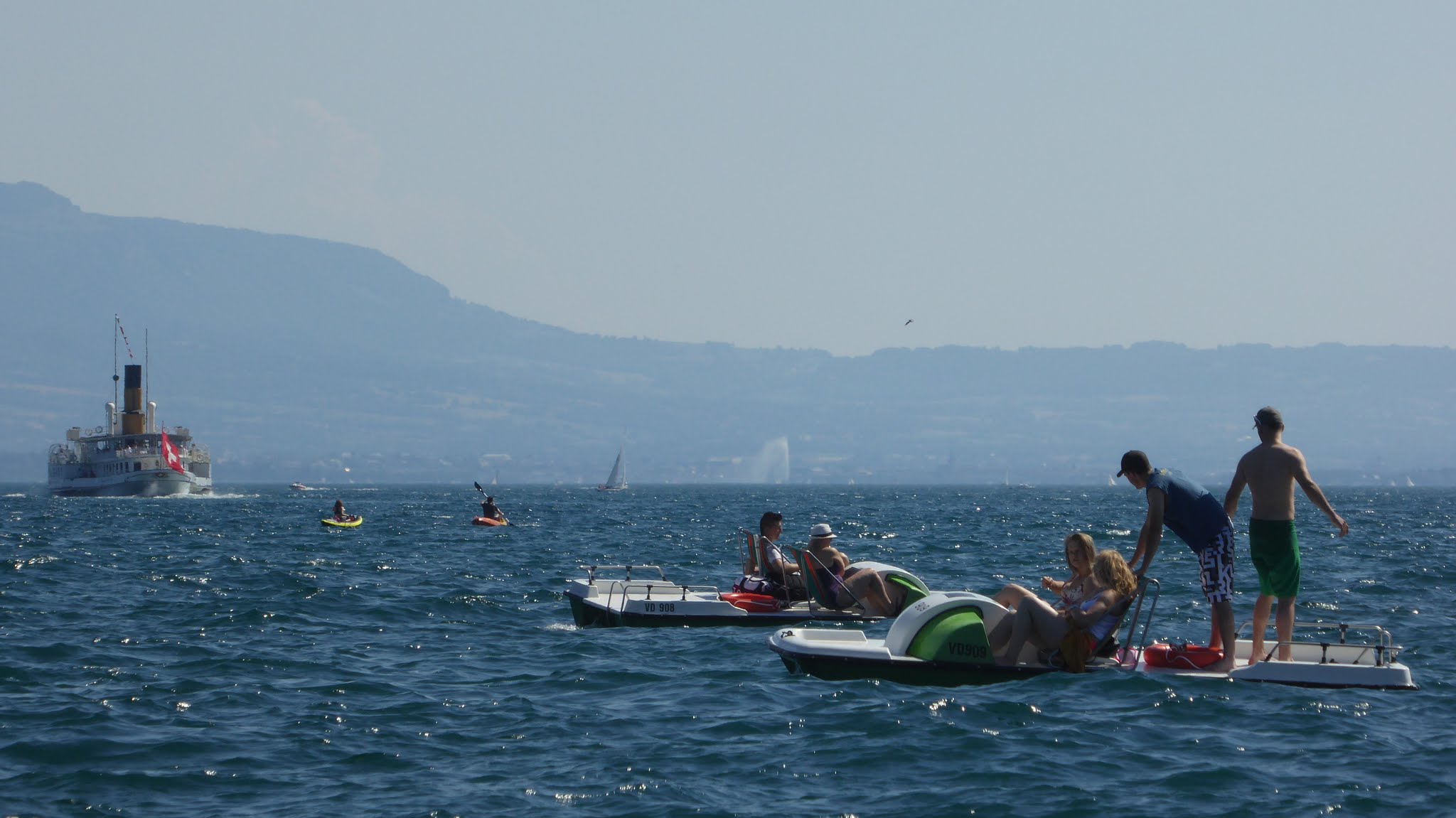
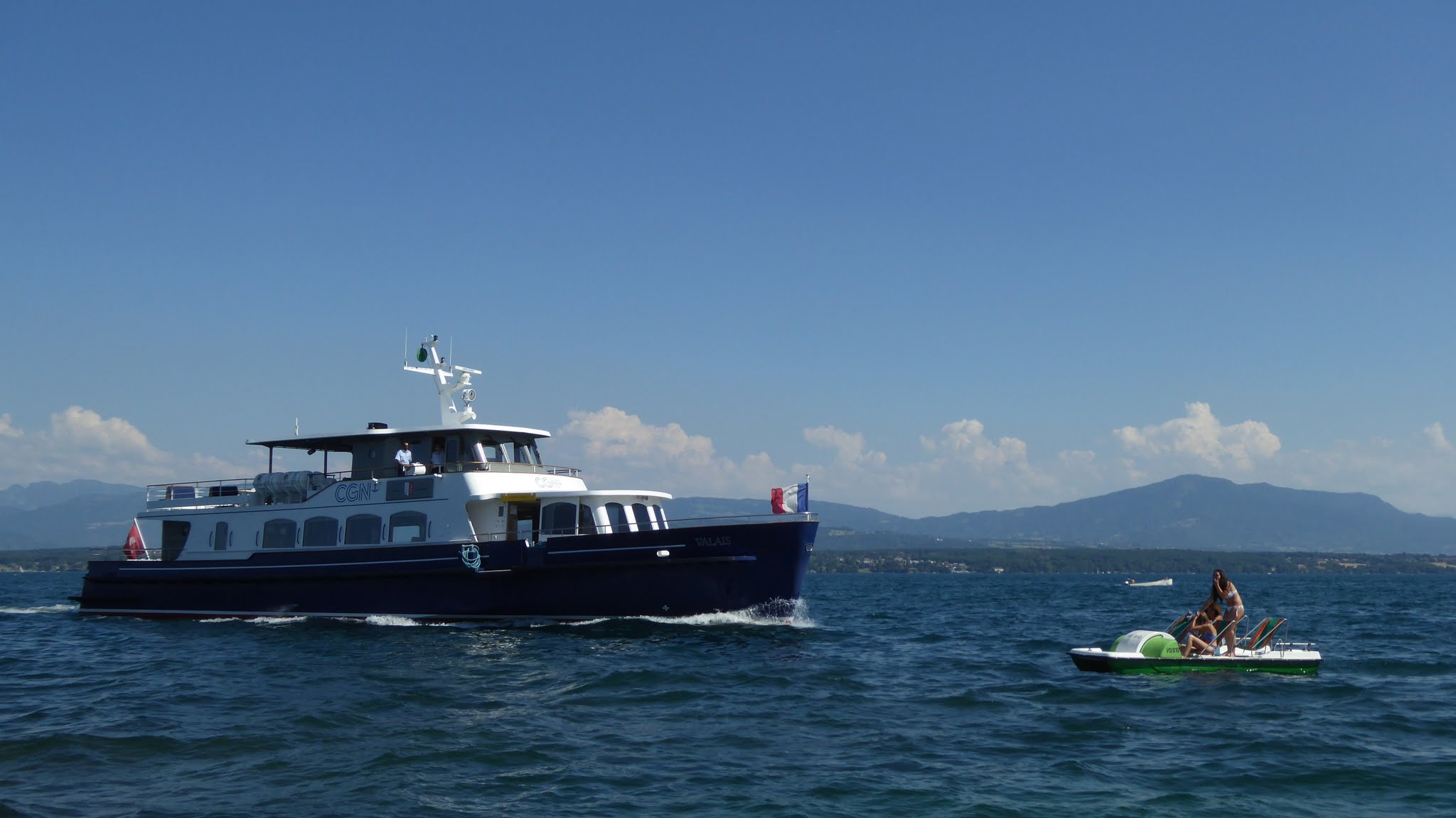
  [caption id=“attachment_3100” align=“aligncenter” width=“660”]Summer Nyon Summer Nyon[/caption] This is an image of Nyon on a day when the thermometer indicated at least 31°c on a sunny Sunday afternoon. In this image you can see the CGN boat leaving Nyon and heading towards Geneva. You can see the Jet D’eau in the background. You can see a sailing boat in the distance, some kayakers nearby and two pedalos. What you don’t see in this image are the people playing volleyball, other people sitting at Nyon Plage or yet more people at the Nyon Swimming Pool. From Nyon you can cycle along the lake road to Geneva or Lausanne and if you feel you have the stamina you could cycle from Nyon to Nyon by taking the long way around. This may take 10 hours depending on your level of fitness and endurance. If this does not tempt you then you could go up to the Jura. You can either go up towards La Dôle and choose one of three routes to get to the doppler radar or you could go to St Cergue and walk from that side to the peak. The walk is short but physical so make sure to take appropriate shoes and something to drink. If those options do not tempt you then you can catch the boat you see in the image above or the smaller boat that you see below. These boats are regular. People like to take the boat from Nyon to Yvoire, have lunch, dinner or an ice cream and then come back. If you have the right friends then you could do this trip on a sailing boat as we used to do frequently with one friend. [caption id=“attachment_3102” align=“aligncenter” width=“660”]CGN boat CGN boat[/caption] Nyon has quite a few activities to distract people in summer so if you’re in the region there are a few events and activities to choose from.

Google Local Guides and I

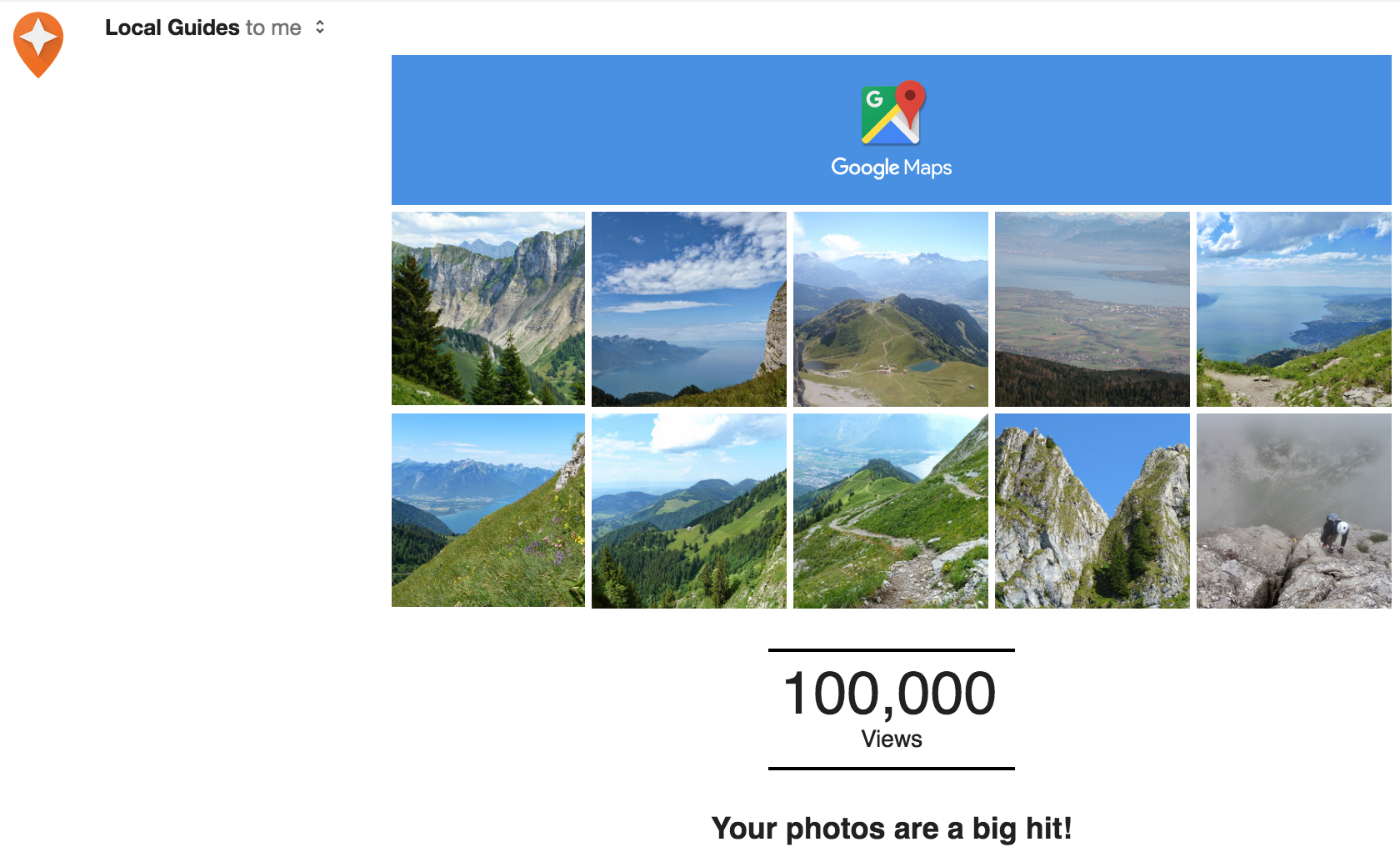
Google Local Guides and I are mutually beneficial. I love to go up to the mountains and document their beauty and Google Local Guides needs images and reviews. I have been sharing images with Google Services for several years but it Google Local Guides is relatively recent. When I was added to the program they had already included several of my contributions. [caption id=“attachment_3053” align=“aligncenter” width=“660”]One Hundred Thousand views One Hundred Thousand views[/caption] The images that you see below are from Via Ferrata and hikes in Switzerland. They show the Leman, the Alps, the Jura and other peaks and valleys. In Summer I am among them every single weekend. Recently I have started to document these trips as 360 photographs which I then share with this service. [gallery columns=“2” size=“medium” ids=“3054,3055”] My goal is to contribute at least 140 more images because I want to get a terabyte of storage for my pictures, to use as an online backup. As I use an android phone it logs the locations that I have been to and when I get home or to a computer I can review my location history and write a short review of the places as well as add images. This is an easy and intuitive process. The perks that I am currently entitled to are: Get noticed with your Local Guides badge in Google Maps. Connect with other Local Guides in our exclusive Google+ Community. Lead the conversation by moderating Local Guides community channels. Receive invites to Google-hosted events in select cities. For now the community travels internationally but it is principally United States cities that are active with Barcelona, Edinburgh, London, Madrid, Paris and Sydney providing the international side of things. Some would say that Local Guides will challenge other services offering the same features but as Local Guides offer one terabyte of storage for images I am motivated to contribute a further 140 photographs and reviews as the opportunities come up.